
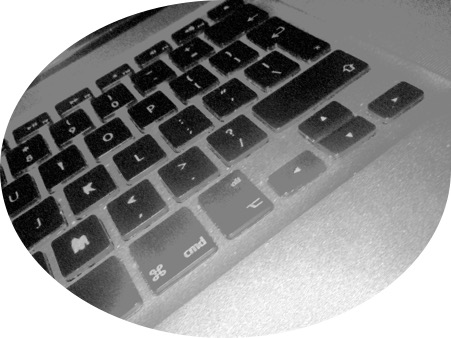
 The first prototypes of the typewriter (remember those?) would jam if the keys next to each other were hit at the same time (real typists will know this).
So, the QWERTY keyboard was engineered to slow users down and prevent jamming.
But . . . the Dvorak keyboard, designed in the 1930s and still marketed decades later as an ergonomic alternative to QWERTY, is even now thought to be a more efficient design which can enable users to double their typing speeds.
Yet poor Dvorak never really took off. Many people resisted the change: some because they felt they would lose their specialised knowledge; others fearing production costs and that the learning curve would be too great for people to warm to Dvorak quickly.

 ChristineWilkinsonCoaching